
Summary
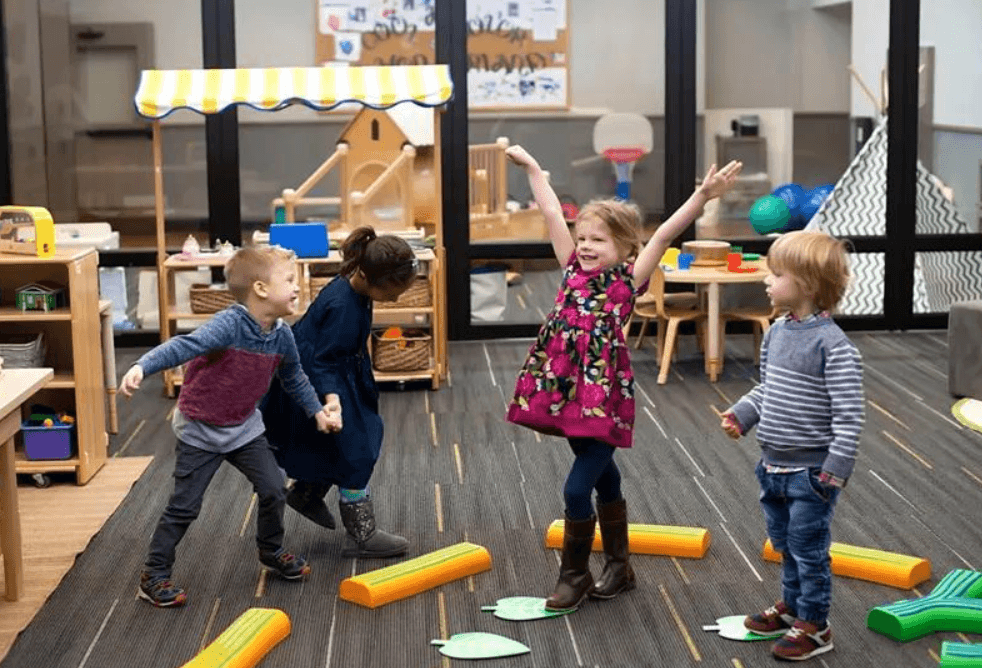
Freeze Game is a movement activity where children move while music or rhythm plays, then stop and freeze when it ends. It helps children practise listening and self-control.
What you need
- Music, clapping, or a rhythm source
- Open space
Learning focus
- Self-regulation
- Listening and attention
- Body control
- Following directions
EYLF links
Early Years Learning Framework (EYLF)
Outcome 3: Children have a strong sense of wellbeing
Children practise self-control, body awareness, and managing impulses.
Outcome 4: Children are confident and involved learners
Children respond to cues and actively engage in physical learning.
How to do it as an educator
- Explain that children can move while they hear music or clapping.
- Tell them that when the sound stops, they must freeze their body.
- Start the music or rhythm.
- Stop suddenly and encourage everyone to freeze.
- Repeat several times.
Extend the activity
- Ask children to freeze in a shape or funny pose.
- Add feelings, such as freeze like you are sleepy or excited.
- Let a child control the stop and start.
- Use animal movements during the game.
Inclusive practice
For ADHD / high energy learners
- Keep rounds short.
- Allow small body adjustments instead of expecting perfect stillness.
For autistic children
- Practise what “freeze” means first.
- Use the same stop signal every time.
For children with hearing differences
- Add a visual stop cue, like a hand signal or light.
For children with low vision
- Use strong sound cues and verbal countdowns.
For mobility needs
- Children can play seated and freeze their arms, hands, or face.
For speech or language delay / EAL
- Demonstrate instead of giving long verbal explanations.
For sensory or emotional needs
- Use calm music and avoid sudden loud sounds if needed.
Educator notes
This is useful before group time, after outdoor play, or when children need a structured movement break.
Designed for : 2–5 years
Comments are closed